
Materials · 2 min read
Why Texture Matters in an Oil Painting
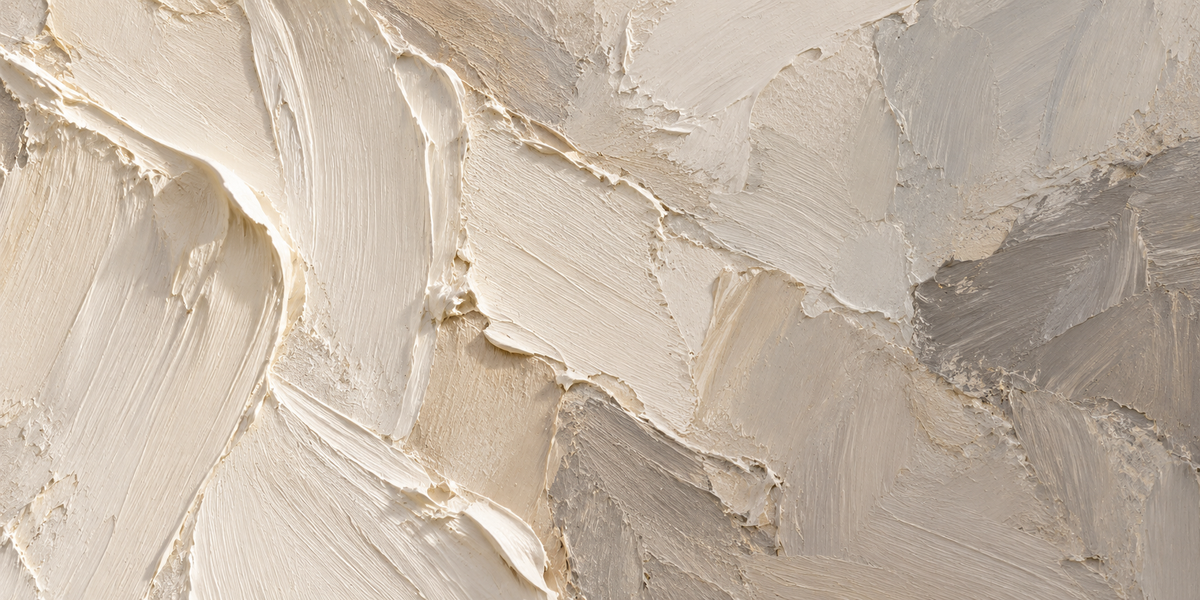
Texture gives a painting presence
Colour is often the first thing we notice, but texture is what makes an oil painting feel physical. A raised brushmark catches light; a thin passage lets the weave beneath it remain visible. Those small changes give the surface rhythm and keep it from reading like a flat image.
You do not need the heaviest impasto to see the difference. Even restrained brushwork can reveal the direction of a stroke and the pace of the hand that made it.
Look at the painting in changing light
Texture is never completely fixed. In clear morning light, ridges create crisp highlights and shadows. Softer evening light makes the same surface feel quieter. If a wall receives light from the side, visible brushwork will usually appear more pronounced than it does under even overhead lighting.
Match the surface to the room
- Calm, minimal spaces: a measured surface adds depth without introducing visual noise.
- Layered interiors: broader, more expressive marks can hold their own beside timber, textiles and pattern.
- Dark rooms: small areas of raised paint can catch limited light and keep the work from disappearing into the wall.
Judge it from two distances
Stand back first. The painting should read as a complete composition from across the room. Then move closer and look for the decisions that only appear at arm's length: a dry edge, a change in direction, or one colour showing through another. A strong painting should reward both views.
When shopping online, use close-up images to understand the surface and the room view to judge its overall presence. Neither view tells the whole story on its own.
Cover photograph by engin akyurt on Unsplash.